Train with us. Then fly with us.
Our student program takes you from your first solo flight to the right seat of a Smart Aviation aircraft. You train for our fleet, not for an open job market.
It is a profession built on discipline, decision making, responsibility and a willingness to keep learning long after your first solo.
Making the right call at the moment it is needed, with the information you have.
Training does not end at the first solo. It continues for the whole career.
A flight always involves more than one person, in the air and on the ground.
Places and perspectives most people in this country never get to see.
An Indonesian aviation company that bought its first aircraft in 2016 and held its own Air Operator Certificate by 2018. Today it runs air charter, cargo and passenger flights, aerial mapping, weather modification, aircraft maintenance, ground handling, private airport management at Semelagi in West Kalimantan, and its own training center.
We fly where the roads do not reach, from Kalimantan across to Papua. For the communities we serve an aircraft is not a convenience, it is the supply line. That is the operation you are training to join.
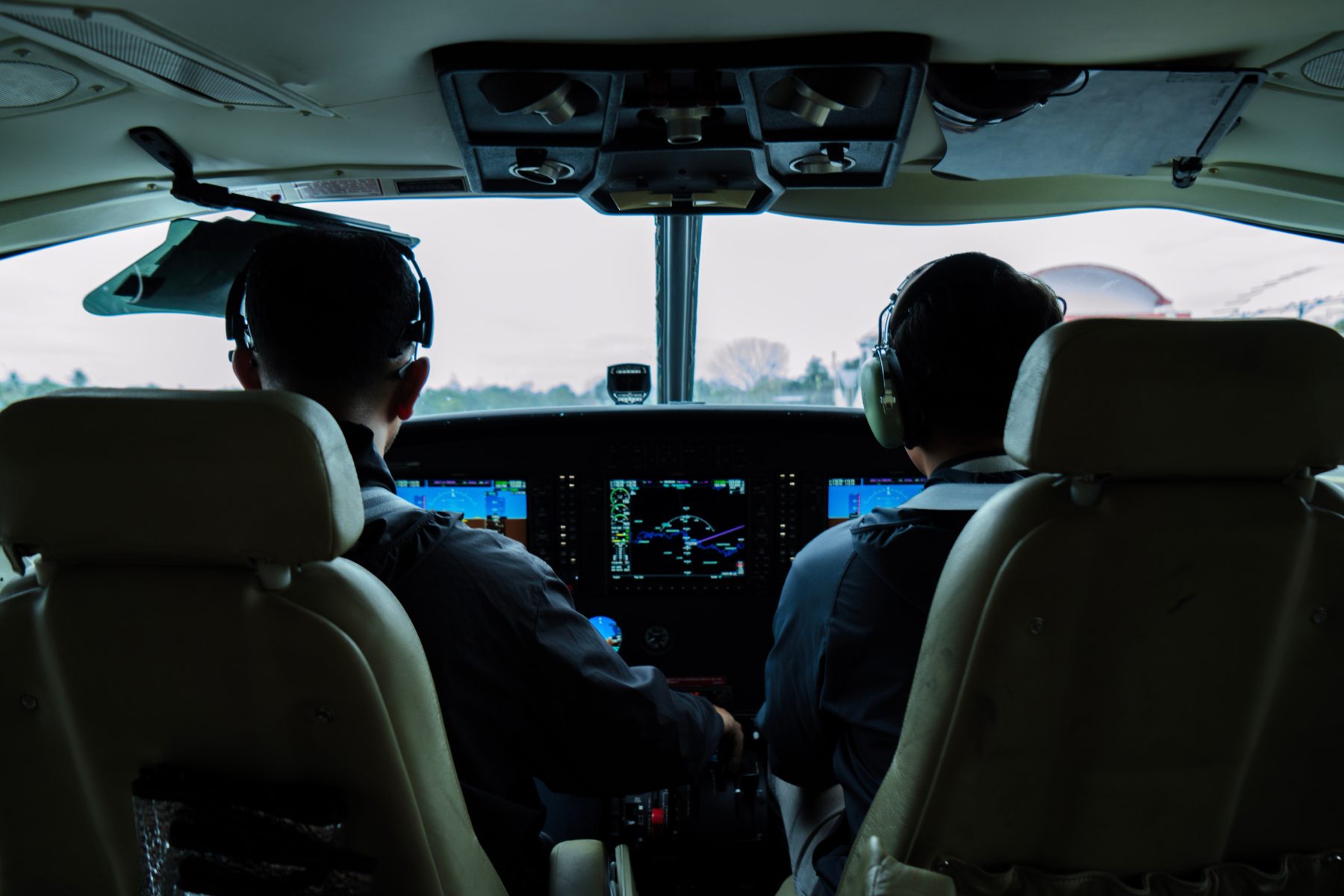
Alongside the Caravans: 3 Pilatus PC-6 Porter, 2 PAC P-750 XSTOL, 1 Airbus EC130T2 and 1 Bell 412EP. Bases at Malinau, Tarakan, Singkawang, Samarinda, Fak Fak, Ambon, Timika, Nabire and Tanah Merah, with the maintenance organisation at Aeropolis, Tangerang.
Most new pilots spend their first years doing one thing over and over. Here you will not. The range of missions our fleet flies is the reason our pilots develop quickly, because every one of them asks something different of you.
Scheduled and charter, often into communities with no other way in or out.
Supplies, fuel and freight to places the roads do not reach.
Time-critical flying where the decisions you make genuinely matter.
Terrain, weather and short unpaved runways. The flying that builds real judgement.
Precise, disciplined flying to a survey pattern for hours at a time.
Long-endurance observation work over forest, coastline and concession areas.
Cloud seeding operations, a speciality few operators in the region fly at all.
A pilot who has flown medevac into a short strip in bad weather, and a survey line, and a full load of cargo, is a different pilot from one who has only ever flown the same route. That breadth is what we are training you for.
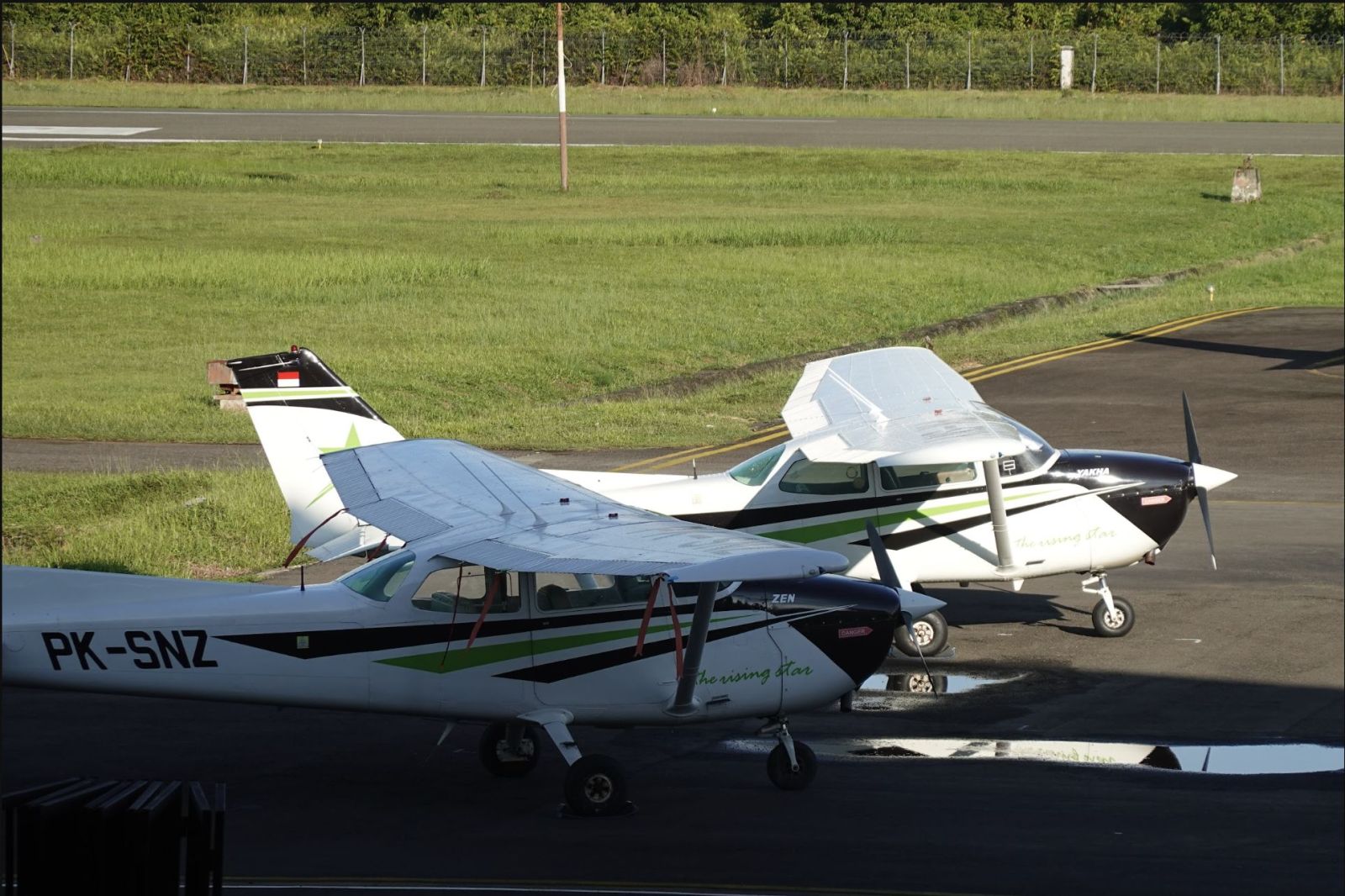
You are not sent off to somebody else's academy. Smart Flying School is ours: our aircraft, our instructors, our standards. Our aim is graduates with real skill, professional integrity and the discipline the job demands, ready for the line on day one, because that line is ours too.
Most schools train you to pass a test, then wish you luck. We are the ones who will put you in a cockpit, so the standard you are held to is the one our own operation needs. That is the only reason an employment guarantee is possible at all.
You learn on the Cessna 172, practise on the Caravan EX simulator, and finish with the Caravan 208/208B type rating. Each stage is chosen because of what you will fly for us, not because it fills a syllabus.
Our instructors come from the same operation you are joining, with the short strips, terrain and weather that go with it. What they teach is what the job actually asks for.
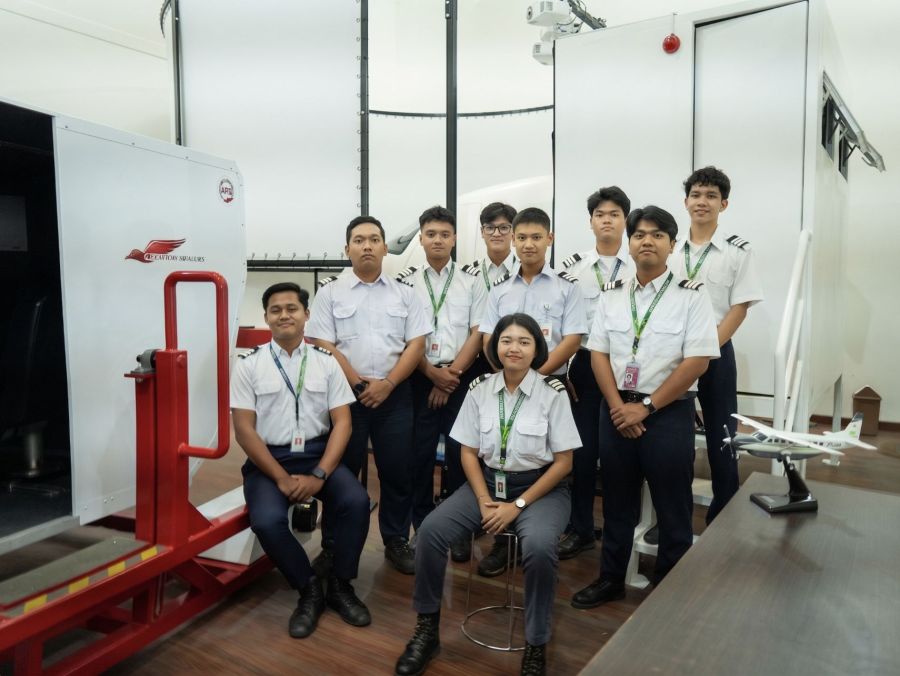
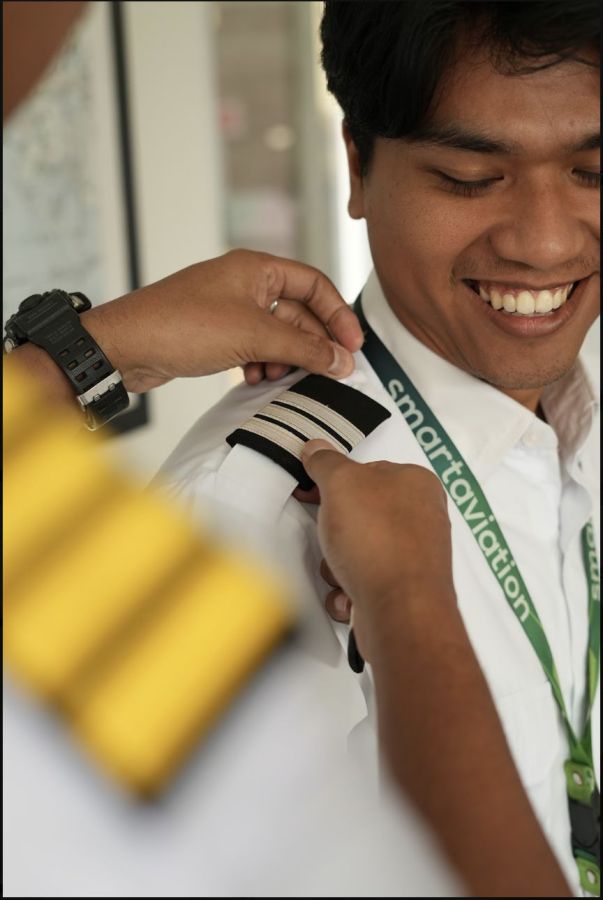
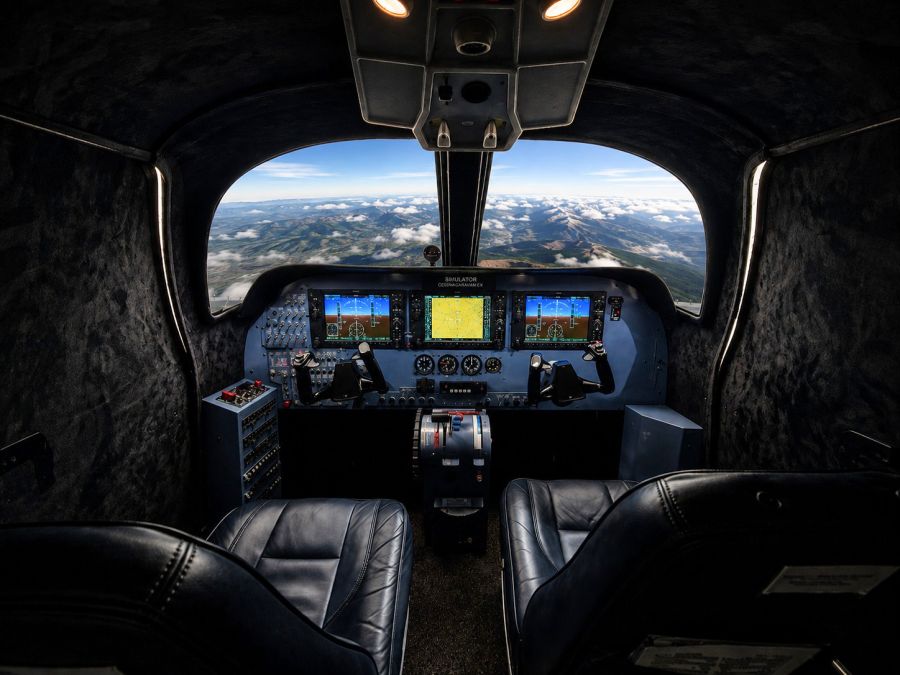
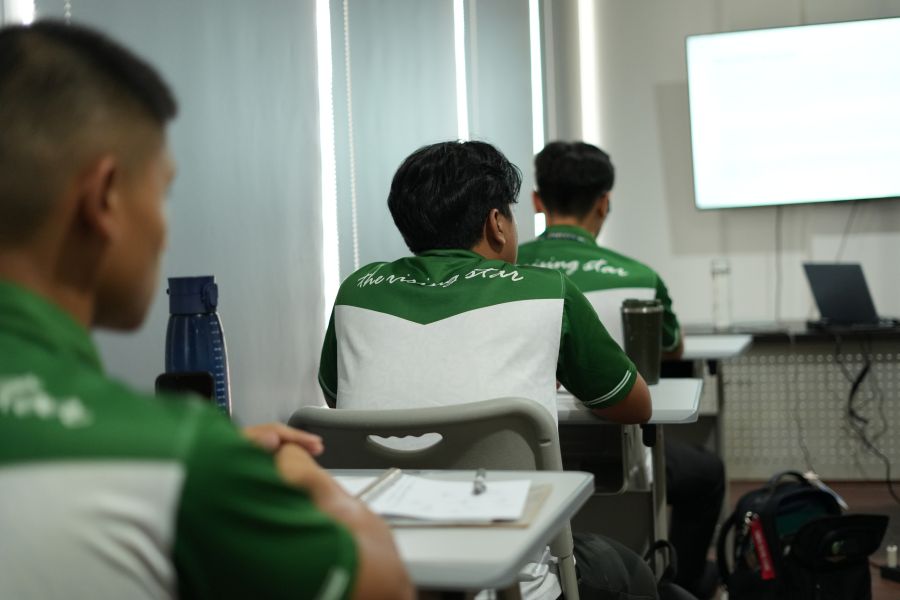
You do not go straight into a cockpit. First you spend roughly three months inside Smart Cakrawala Aviation itself, on a structured program with named mentors from each division, weekly evaluation and a grade you have to meet. It is how you arrive at flying school already knowing how an airline actually works. If an area needs more time, the attachment is extended rather than signed off early.
Company induction with HR: structure, vision, values and where we operate. Then every division at Head Office and at the warehouse, watching and doing. Safety Department covers our safety management system and why hazard reporting matters, the aircraft we operate and how flight safety data is handled. IT introduces the Aviation Management System. The week closes with an evaluation and discussion.
HR, Safety and IT departmentsAirport stations and ground handling first: passenger service at the check-in counter, baggage, and loading and unloading. Then the apron itself, learning refuelling, marshalling and pushback alongside the people who do it.
Ground Handling, then EngineeringAttached to our Flight Operations Officers: building a flight plan, reading METAR and TAF, planning fuel, and working with the Electronic Flight Bag and the Aviation Management System. Alongside it, time in the maintenance hangar with the engineers on aircraft systems and the mechanical basics.
Operations Department and EngineeringManagement reviews your discipline, your grasp of the basic theory and your readiness. Then the Chief Instructor gives the pre-flying school briefing: what the training will demand of you, the regulations, and the standards you are expected to hold while you are there.
Management and the Chief InstructorYour mentor grades you on evidence, not on claims: attitude, safety awareness, discipline, time management, decision making, communication and coordination, adaptation, teamwork, maturity, creativity, integrity and initiative. Attitude is assessed daily, and a weak area means a development plan or more supervision, not a quiet pass.
This is the part worth looking at closely, because it comes first. Before a single flying hour is bought, your son or daughter spends around three months inside a real aviation company, with a named mentor in every division and a written assessment against twelve characteristics. Attendance has to be complete. Every task has to reach 70%.
They also leave it knowing the industry, not just the cockpit. They will have stood on an apron during a refuel, watched an aircraft come apart in a hangar, and built a flight plan next to the person who does it for a living. That is what tells them, early and honestly, whether this is the life they want.
And it works both ways. By week twelve we know them by name and by how they work. The employment at the end of this program is not a stranger being handed a job.
You start with no flying experience and finish with a commercial licence and an instrument rating. Each stage has its own ground school and flying hours.
The hours below are fixed by the syllabus. The calendar is not. Weather, aircraft availability and your own progress all move the finish line, so we quote eighteen months as a realistic expectation rather than a promise.
The foundation every pilot starts from.
The licence that lets you fly for a living.
Flying on instruments, which our routes and weather demand.
You finish the program and you go straight to work as a professional pilot with PT Smart Cakrawala Aviation, earning a living flying our aircraft, in line with the company's needs and your evaluation during training. No circulating a CV, no waiting for an airline to open hiring. You are not training for an open job market. You are training for the company that trained you.
After the program, students get the opportunity to take the Cessna Caravan 208/208B type rating, which is the aircraft you will fly on the line.
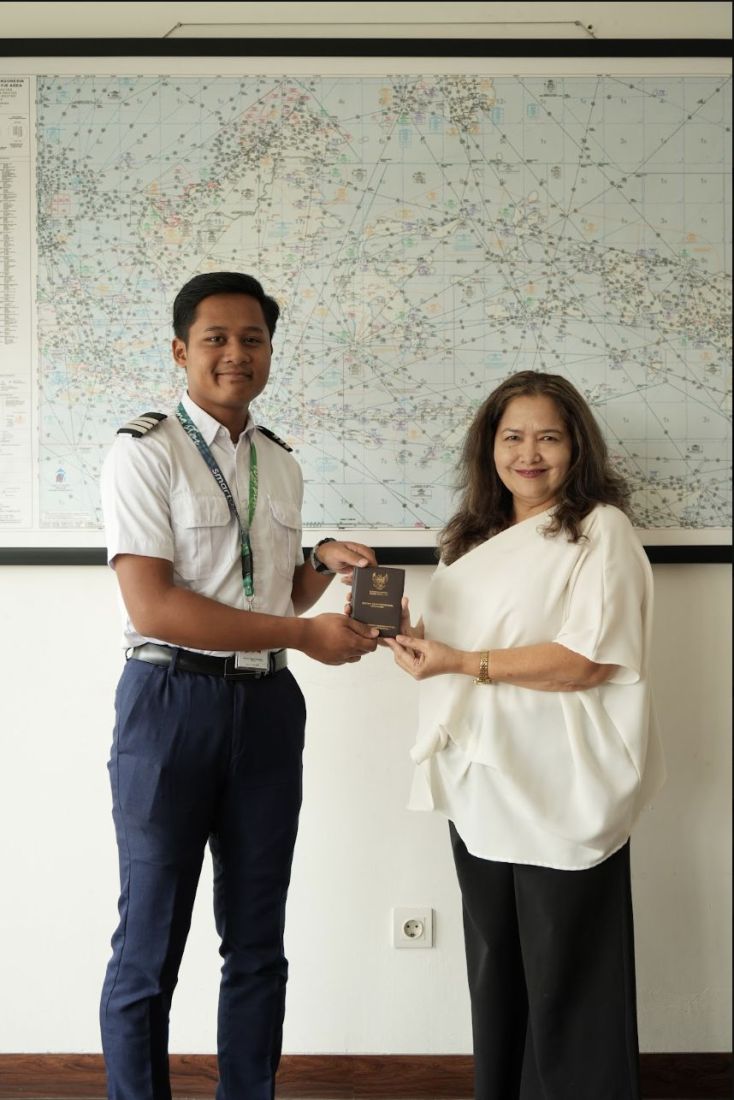
Requirements are maintained by our recruitment team. The full posting is the source of truth.
Applying on this page is the first step. You create an account, upload your documents and complete the online stages. Everything in the second column below happens after that, and we tell you what to expect before each one.
You can pause at any point and come back later from the track your application page.
Fees, intake dates, the medical, what to prepare before you apply. If it is not answered above, ask us directly and a person will answer you.
Follow @smart_flyingschool for intake announcementsThe question is not only whether you can become a pilot. It is what kind of aviation professional you want to be.
Apply for this intake